Ever wonder how industries filter tiny particles efficiently? Johnson Wire Screen plays a key role in precise filtration. This all-welded wedge wire structure ensures strength and uniformity under pressure.
In this post, you’ll learn what a Johnson Wire Screen is, how it works, and why it’s vital for industrial filtration systems.
What is a Johnson Wire Screen?
Detailed Description of Johnson Wire Screen Construction
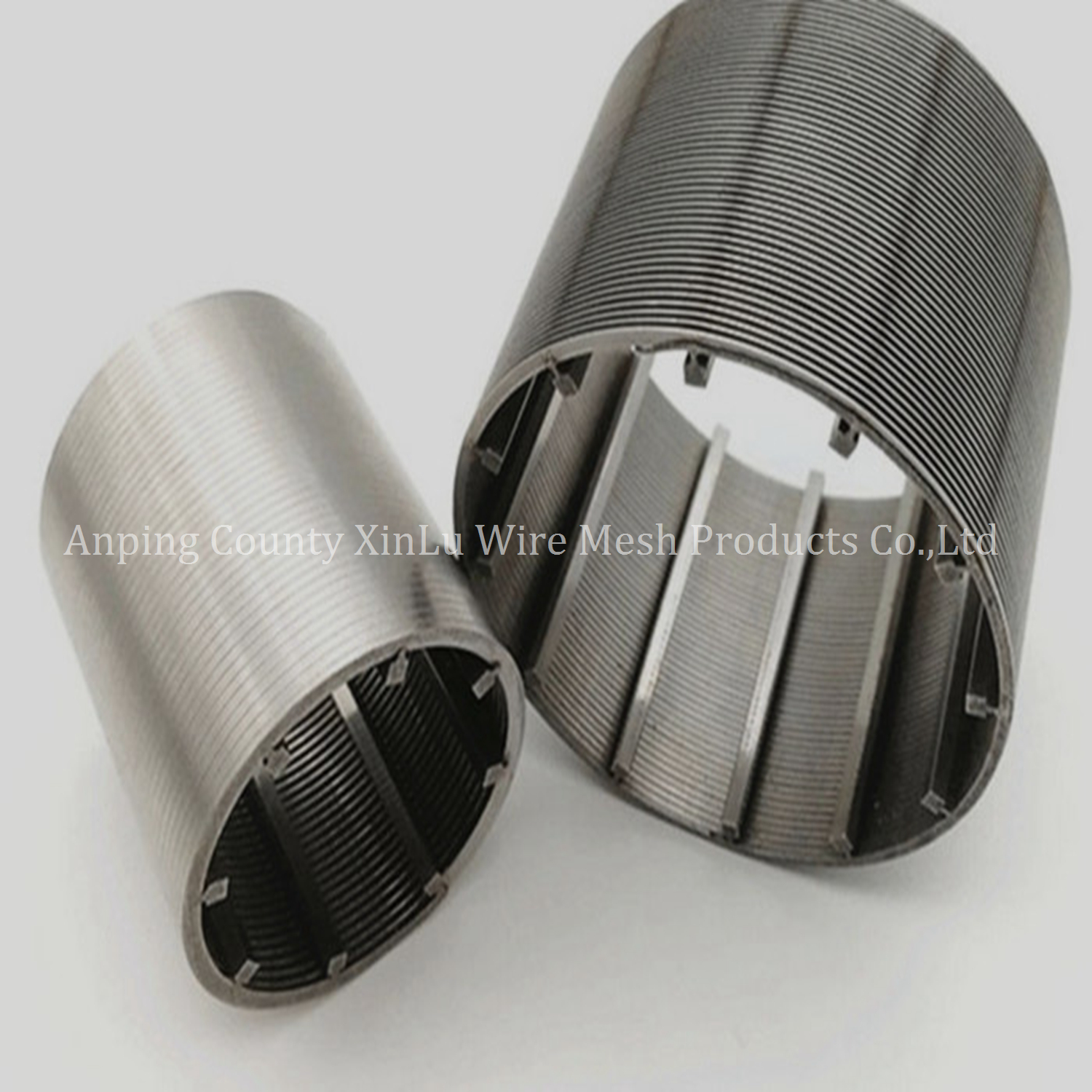
A Johnson Wire Screen is a type of welded profile wire screen designed specifically for filtration systems. Unlike traditional woven mesh, it features a unique construction where V-shaped profile wires are spirally wound around a cage of internal support rods.
At each intersection where the wire meets the rod, it is resistance welded. This creates a precise, uniform continuous slot opening. These slots allow fluids to pass through while trapping unwanted particles. The welded structure ensures the screen maintains its shape and strength under pressure.
The V-shape wire design creates a non-clogging surface—particles only make two-point contact with the screen edges. The result is a rigid, stable, and self-cleaning screen that performs consistently over time.
Materials Used in Johnson Wire Screen Manufacturing
Johnson Wire Screens are manufactured using high-quality materials chosen for their strength, corrosion resistance, and longevity. Common materials include:
Stainless Steel: Offers excellent corrosion resistance, ideal for harsh chemical environments.
Carbon Steel: Provides strength and is cost-effective but may require protective coatings.
Alloy Steels: Used for high-temperature or highly abrasive conditions.
Specialty Metals: Such as Monel or Inconel, for extreme environments like offshore oil rigs.
These materials ensure the screen withstands mechanical stress and resists degradation from fluids or chemicals passing through.
Comparison with Other Types of Wire Screens
Compared to standard woven wire screens, Johnson Wire Screens stand out because of their all-welded construction and continuous slot design. Here’s how they differ:
| Feature | Johnson Wire Screen (Wedge Wire) | Standard Wire Screen (Woven) |
| Construction | Welded V-wire on support rods | Woven wires (crimped) |
| Slot Uniformity | Precise, continuous slot openings | Variable slot sizes |
| Durability | High due to welded intersections | Lower, wires may shift or loosen |
| Clogging Risk | Low (V-shape design) | Higher (particles get stuck in mesh) |
| Application Range | Industrial filtration, high pressure | General screening, less demanding |
Johnson Wire Screens provide better filtration precision and mechanical stability, making them preferred for demanding industrial uses.
Tip: Choose Johnson Wire Screens made from materials compatible with your filtration environment to maximize screen lifespan and performance.
How Does a Johnson Wire Screen Work in Filtration Systems?
Principles of Filtration Using Johnson Wire Screen
Johnson Wire Screens filter fluids by trapping particles larger than the screen’s slot openings. Fluid flows through the uniform slots, while solids or debris remain on the surface. The continuous slot design creates precise, consistent openings, ensuring reliable particle retention.
This uniformity helps avoid clogging and allows for predictable filtration performance. The screen acts as a physical barrier, separating unwanted materials without chemicals or complex processes.
Flow Dynamics and Particle Separation Process
When fluid enters the filtration system, it moves toward the wire screen under pressure. The flow passes through the slots, but particles larger than the slot size cannot fit and are held back.
The welded connections keep the slots stable, even under high flow rates or pressure changes, preventing distortion that could allow particles through. Smaller particles pass freely, while larger ones accumulate on the screen surface. This separation reduces contamination downstream and protects equipment.
The flow velocity affects separation efficiency. Too high a velocity may push particles into the slots or cause screen wear. Too low slows filtering and risks buildup on the screen. Johnson Wire Screens balance flow and filtration by offering high open area percentages, allowing good flow rates without sacrificing particle capture.
Role of Slot Size and Wire Profile in Filtration Efficiency
Slot size is the key factor controlling what particles get filtered. Smaller slots catch finer particles but reduce flow rate and increase clogging risk. Larger slots allow faster flow but filter less precisely. Johnson Wire Screens come in various slot sizes, from microns to millimeters, tailored to specific needs.
The profile wire (V-wire) dimensions also affect performance. Thicker wires make the screen stronger and more durable, but reduce open area, lowering flow capacity. Thinner wires increase flow but may be less robust. The welded joints lock wires firmly, so even thin wires resist deformation under pressure.
Choosing the right slot size and wire profile depends on the fluid type, particle size distribution, and operational conditions. Proper selection optimizes filtration efficiency, screen life, and system performance.
Tip: Match Johnson Wire Screen slot size and wire profile carefully to your fluid’s particle size and flow rate for best filtration results and longer screen life.
Applications of Johnson Wire Screen in Various Industries
Use in Water Treatment and Purification
Role in Oil and Gas Industry Filtration
Applications in Food and Beverage Processing
Other Industrial Uses of Johnson Wire Screen
Tip: Select Johnson Wire Screens made from materials suited to your industry’s environment to maximize filtration efficiency and screen lifespan.
Advantages of Using Johnson Wire Screen in Filtration Systems
Durability and Corrosion Resistance
Johnson Wire Screens are built tough. Their all-welded structure locks wires firmly to the support rods, preventing movement and wear over time. This construction boosts durability, allowing them to withstand high pressures and abrasive particles without deforming. Materials like stainless steel or specialty alloys add corrosion resistance.
High Filtration Precision and Reliability
The uniform slot openings in Johnson Wire Screens guarantee consistent filtration. This precision helps capture particles exactly to specification. Their stable welded design prevents slot size changes under pressure, so filtration remains reliable even during heavy flow.
Ease of Maintenance and Cleaning
Johnson Wire Screens are designed for easy cleaning. The smooth V-wire surface reduces particle buildup, minimizing clogging risks (non-clogging feature). When cleaning is needed, they withstand mechanical cleaning methods like brushing or backflushing without damage.
Cost-Effectiveness Compared to Alternatives
Though Johnson Wire Screens may cost more upfront than simple mesh, their durability and precision reduce replacement frequency and downtime costs. Their long lifespan and reliable performance translate into lower total ownership costs.
Tip: Choose Johnson Wire Screens made from corrosion-resistant materials to reduce maintenance needs and extend service life in harsh filtration environments.
Installation and Maintenance of Johnson Wire Screen
Proper Installation Techniques for Optimal Performance
Installing a Johnson Wire Screen correctly ensures it delivers peak filtration efficiency. Start by inspecting the screen for any damage or deformities before installation. The screen must fit snugly into the filter housing.
Align the screen so the flow direction matches the design specifications (usually flow is from outside to inside or inside to outside depending on the V-wire orientation). When securing the screen, tighten fasteners evenly to prevent distortion.
Routine Maintenance Practices
Regular maintenance keeps Johnson Wire Screens functioning properly.
Troubleshooting Common Issues with Johnson Wire Screen
Clogging: Check if slot size matches particle sizes.
Warping or deformation: Caused by improper installation or extreme pressure spikes.
Corrosion: Indicates incompatible materials.
Tip: Always perform a pressure test after installing a Johnson Wire Screen to ensure proper sealing and avoid leaks that compromise filtration.
Conclusion
Johnson Wire Screens offer precise filtration with durable, welded wedge wire construction. Their uniform slots ensure reliable particle separation in various industries. Maintenance is straightforward due to the non-clogging V-wire design.
Anping County XinLu Wire Mesh Products Co., Ltd. provides high-quality Johnson Wire Screens that deliver exceptional value and dependable filtration solutions.
FAQ
Q: What is a Johnson Wire Screen?
A: A Johnson Wire Screen is a welded profile wire screen for filtration, featuring V-shaped wires spirally wound and welded on support rods to create continuous slots.
Q: How does a Johnson Wire Screen work in filtration systems?
A: It filters fluids by letting liquid pass through precise slots while capturing larger particles on the smooth surface, maintaining shape under pressure due to its welded structure.
Q: Why choose a Johnson Wire Screen over standard wire screens?
A: Johnson Wire Screens offer better slot uniformity, higher strength, and non-clogging properties due to their wedge wire design.
Q: What factors affect the cost of a Johnson Wire Screen?
A: Material type, slot size, profile wire dimensions, and customization options influence the price.
Q: How can I troubleshoot clogging in a Johnson Wire Screen?
A: Increase cleaning frequency (such as backflushing) and verify slot size suitability. The V-wire structure inherently reduces clogging compared to mesh.


