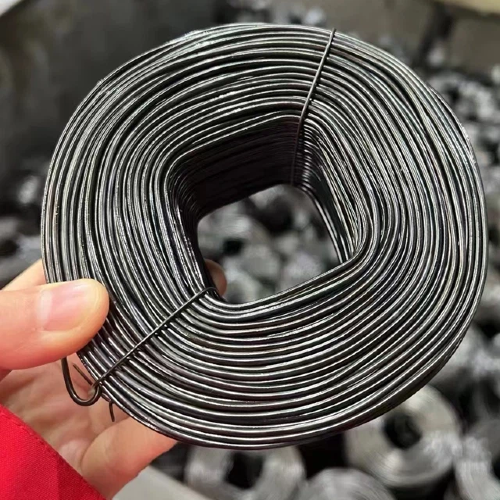
In the world of construction, the durability and strength of materials play a pivotal role in the integrity and safety of a structure. This is especially true in marine construction, where environmental challenges such as saltwater, high humidity, and extreme temperatures can accelerate material degradation. One crucial component that ensures the stability of concrete structures in marine environments is rebar tie wire.
Rebar tie wire is used to secure steel reinforcement bars (rebar) in place during the construction of concrete structures. This wire is a fundamental part of the reinforcement system, ensuring that the steel rebar maintains its position throughout the curing process of the concrete. For marine construction, hot dip galvanized rebar tie wire is the material of choice, providing superior durability and resistance to corrosion.
This article delves into the importance of hot dip galvanized rebar tie wire in marine construction, explaining why it is the preferred solution and how it enhances the performance and longevity of marine structures.
1. What is Rebar Tie Wire?
1.1 Definition and Composition
Rebar tie wire is a high-tensile wire used to bind steel reinforcing bars (rebar) together during concrete placement. It is typically made from low carbon steel or other alloys that can withstand the forces exerted on the rebar during the construction and curing phases. The wire is designed to hold rebar securely in place, ensuring that the concrete is properly reinforced to handle stress and weight once it cures.
1.2 Standard Features and Uses
Rebar tie wire is commonly used in a variety of construction projects, ranging from small residential buildings to large commercial and industrial structures. It ensures that rebar is positioned precisely, preventing movement during the concrete pouring process, which could otherwise compromise the strength of the concrete.
Key features of rebar tie wire include:
High tensile strength: Ensures that the wire can hold rebar firmly in place, even under significant mechanical stress.
Flexibility: Easy to twist by hand or with tools, allowing workers to secure rebar quickly and efficiently.
Variety of gauges: Available in various thicknesses and gauges depending on the requirements of the construction project.
2. Hot Dip Galvanization: The Key Advantage for Marine Construction
2.1 What is Hot Dip Galvanization?
Hot dip galvanization is a process in which steel or iron is coated with a layer of zinc by dipping it into a bath of molten zinc. The result is a durable, corrosion-resistant surface that protects the underlying metal from environmental damage. The process is widely used for materials exposed to harsh conditions, such as steel components in marine environments, where protection from saltwater and high humidity is essential.
The hot dip galvanization process involves:
Surface cleaning: The wire is thoroughly cleaned to remove any dirt, rust, or oil before being immersed in molten zinc.
Galvanizing: The clean wire is dipped into a molten zinc bath, where the zinc reacts with the steel, forming a bond that provides superior corrosion resistance.
Cooling: The galvanized wire is allowed to cool, resulting in a hard, protective zinc coating that will last for many years.
2.2 Benefits of Hot Dip Galvanized Rebar Tie Wire
For marine construction, hot dip galvanized rebar tie wire provides several key benefits over non-galvanized options, including:
Enhanced corrosion resistance: Galvanization creates a barrier that protects the steel from saltwater, moisture, and other corrosive elements commonly found in marine environments.
Extended service life: The zinc coating significantly extends the life of the rebar tie wire, reducing the need for frequent maintenance or replacement, which can be costly in marine construction projects.
Improved strength: The galvanized layer adds to the tensile strength of the wire, enhancing its ability to withstand environmental pressures and forces exerted on it during the concrete setting phase.
3. Importance of Rebar Tie Wire in Marine Construction
3.1 Durability in Marine Environments
Marine construction projects are subject to some of the most extreme environmental conditions, including exposure to saltwater, moisture, and high winds. These factors accelerate the deterioration of most construction materials. Without proper protection, rebar tie wire in marine environments can corrode quickly, leading to structural failures and the need for costly repairs.
Hot dip galvanized rebar tie wire, with its robust corrosion resistance, ensures that marine structures such as docks, piers, and offshore platforms maintain their integrity over time. The galvanized coating acts as a shield, preventing the penetration of water and chemicals, and helps the wire maintain its strength even in the harshest conditions.
3.2 Cost-Effectiveness and Longevity
Using hot dip galvanized rebar tie wire can significantly reduce the lifecycle costs of marine construction projects. Although the initial cost may be higher than non-galvanized alternatives, the durability of galvanized wire means fewer replacements and repairs are necessary.
Reduced maintenance costs: With longer-lasting materials, marine construction projects will face fewer maintenance issues, resulting in cost savings over the lifespan of the structure.
Lower operational downtime: Galvanized rebar tie wire ensures that marine structures remain secure during their construction phase and continue to perform well after the project is completed, reducing downtime for repairs.
4. How Hot Dip Galvanized Rebar Tie Wire Contributes to Structural Integrity
4.1 Enhanced Corrosion Resistance
The key feature of hot dip galvanized rebar tie wire is its superior corrosion resistance. Saltwater, a significant factor in marine environments, is one of the most aggressive agents of corrosion, especially to steel-based materials. The galvanization process provides a thick, protective zinc coating that prevents salt and moisture from coming into contact with the wire, dramatically increasing its service life and effectiveness.
The zinc coating in hot dip galvanized wire not only protects the material but also sacrificially corrodes over time. This means that the wire itself remains intact, while the zinc coating gradually wears away, providing continuous protection.
4.2 Improved Concrete Bonding
Rebar tie wire serves a dual purpose in construction: securing the steel bars and ensuring a strong bond between the rebar and the concrete. Galvanized wire enhances this process by preventing the rebar from rusting and degrading, ensuring the long-term performance of the concrete structure.
The smooth surface of galvanized rebar tie wire also improves the bond strength between the rebar and the concrete, ensuring that the structure can withstand external forces such as seismic activity, temperature changes, and heavy loads.
5. Selecting the Right Hot Dip Galvanized Rebar Tie Wire for Marine Construction
5.1 Size and Strength Considerations
Selecting the appropriate size and strength of rebar tie wire is critical for ensuring the structural integrity of marine projects. The wire must be strong enough to hold the rebar in place during the concrete pouring process while being flexible enough to be easily twisted by hand or with tools.
The gauge of the wire (thickness) determines its strength. Thicker wires offer more strength but may be less flexible, while thinner wires are easier to manipulate but may not provide the necessary holding power.
Feature | High-Strength Rebar Tie Wire | Standard Rebar Tie Wire |
Tensile Strength | High tensile strength for marine environments | Lower tensile strength, suitable for lighter construction |
Flexibility | Less flexible, designed for heavy-duty use | More flexible, easier to manipulate |
Corrosion Resistance | Enhanced corrosion resistance due to galvanization | Standard protection, prone to corrosion in marine environments |
5.2 Quality Standards
Hot dip galvanized rebar tie wire should meet international quality standards to ensure reliability and durability. The wire is typically manufactured according to standards such as ASTM A82, which provides guidelines for the physical properties of the wire. Compliance with these standards ensures that the wire meets the required strength, corrosion resistance, and durability for marine construction projects.
6. Conclusion
In conclusion, hot dip galvanized rebar tie wire is the perfect choice for marine construction projects, providing outstanding benefits such as enhanced corrosion resistance, strength, and long-lasting durability. This specialized wire ensures that concrete structures, including piers, docks, and offshore platforms, remain secure and stable, even under the harshest marine conditions. By opting for hot dip galvanized rebar tie wire, construction companies can significantly reduce maintenance costs, extend the lifespan of their structures, and ensure the safety and integrity of marine projects.
At Anping County Xinlu Wire Mesh Products Co., Ltd., we offer high-quality hot dip galvanized rebar tie wire, designed to meet the demanding requirements of marine construction. With our expertise in manufacturing durable and reliable materials, we can provide you with the best solutions to ensure the longevity and performance of your marine structures. We invite you to reach out to us for more information or to discuss how our products can support your construction projects.
7. FAQ
What is the difference between galvanized and non-galvanized rebar tie wire?
Galvanized rebar tie wire is coated with a layer of zinc, offering superior corrosion resistance compared to non-galvanized wire, which is prone to rust and deterioration in harsh environments.
Why is hot dip galvanization preferred for marine construction?
Hot dip galvanization provides a thicker, more durable zinc coating, ensuring better protection against corrosion from saltwater and other harsh marine conditions, which is essential for marine construction.
How long does hot-dip galvanized rebar tie wire last in marine environments?
Hot-dip galvanized rebar tie wire can last much longer in marine environments than non-galvanized wire due to its superior corrosion resistance, potentially lasting for several decades.
Can hot dip galvanized rebar tie wire be used in other types of construction?
Yes, while it is particularly ideal for marine construction, hot dip galvanized rebar tie wire is also used in other construction projects that require strong, durable, and corrosion-resistant materials.
How does hot dip galvanization affect the performance of rebar tie wire?
The galvanization process improves the wire’s resistance to rust, ensuring it remains effective in harsh environments and maintains its structural integrity over time.


