

Views: 0 Author: Site Editor Publish Time: 2026-03-07 Origin: Site


Water well screens are essential filtration devices installed in wells to prevent sand, silt, and other particles from entering the water supply. Made from materials like stainless steel or PVC, these screens allow clean water to flow through while blocking larger debris. They play a crucial role in maintaining the efficiency and longevity of the well, preventing sediment from clogging the pump and reducing water flow. Properly installed screens ensure that only clean water enters the system, protecting the pump and ensuring that the water meets quality standards for various uses, including irrigation, drinking, and industrial purposes.
The mesh size of a water well screen is one of the key factors in preventing sand infiltration. Mesh size refers to the number of holes per unit of area on the screen, and it determines the size of particles that can pass through. In wells where fine sand or silt is a concern, a screen with smaller mesh size is ideal. A smaller mesh will filter out even the finest particles, ensuring that only clean water is allowed to pass.
However, choosing the right mesh size is crucial. If the mesh is too small, it could clog quickly, reducing water flow. On the other hand, if the mesh is too large, it won’t effectively filter out sand and other debris. Therefore, selecting the correct mesh size based on the water source is vital to ensure the longevity of both the screen and the well.
The slot design of a water well screen refers to the shape and size of the gaps between the screen’s materials. These slots are typically formed by winding a wire in a specific pattern, which creates a series of openings through which water can flow. The slot design plays a crucial role in preventing sand from entering the well.
In wedge wire screens, the slot openings are uniformly shaped and tightly controlled, making them particularly effective at preventing the passage of sand while allowing for efficient water flow. These screens are typically self-cleaning because the wedge wire design minimizes the risk of clogging, even in environments with high sand content.
The slot size should be chosen based on the grain size of the surrounding sand and soil. For example, in areas with fine sand, a smaller slot size is necessary to prevent infiltration. Additionally, the length of the screen should be considered, as longer screens can filter water over a greater distance, providing a more thorough filtration process.
Two of the most common types of water well screens are Johnson screens and wedge wire screens. Both are highly effective at preventing sand infiltration, but they differ in design and application.
Johnson Screens: Named after their inventor, these screens consist of a series of V-shaped wires attached to a support structure. The V-shaped design creates narrow gaps that allow water to flow while filtering out debris. Johnson screens are highly durable and are used in a wide range of applications, including water wells, industrial filtration, and wastewater treatment.
Wedge Wire Screens: Similar in function to Johnson screens, wedge wire screens feature a series of wedge-shaped wires that are welded together to form a screen. This type of screen is known for its self-cleaning properties, making it ideal for wells with high levels of sediment. The wedge wire design provides uniform slot openings and is effective at preventing sand and other particles from entering the well.
Both screen types are available in various materials, such as stainless steel, to resist corrosion and ensure a long lifespan.
Flat panel screens are another type of water well screen that is commonly used in applications where space is limited or where the well casing is not round. These screens consist of flat panels with a series of perforated holes or slots that allow water to pass through while blocking larger particles. Flat panel screens are often used in shallow wells or areas with lower levels of sand.
One of the advantages of flat panel screens is that they can be easily customized to fit the specific dimensions of the well casing. They are also easy to install and maintain, making them a popular choice for homeowners and small-scale irrigation systems.
One of the primary benefits of using water well screens is improved water quality. By preventing the entry of sand and silt, water well screens ensure that only clean water enters the well. This is particularly important for drinking water wells, where sediment can cause contamination and affect the taste and quality of the water.
In addition to improving water quality, water well screens also enhance the flow rate of the well. By filtering out debris and preventing blockages, screens ensure that water can flow freely from the well, providing a steady and reliable source of water. This is particularly important for irrigation and industrial applications, where a consistent water supply is essential.
Another significant benefit of water well screens is the reduction in maintenance and operational costs. Without a screen, sand and other debris would accumulate in the well, leading to blockages and damage to the pump. This could result in costly repairs and reduced efficiency.
Water well screens help to prevent these issues by keeping sand and debris out of the system, reducing the need for frequent maintenance. This not only saves money but also extends the lifespan of the well and its components, making water well screens a wise investment for well owners.
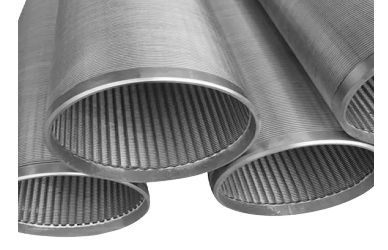
Choosing the right water well screen depends on several factors, including the type of well, the surrounding environment, and the intended use of the water. Some of the key factors to consider include:
Water quality: If the water is heavily contaminated with sand, a screen with a smaller mesh size or more tightly spaced slots may be necessary.
Well depth: Deeper wells may require longer screens to ensure adequate filtration over a larger surface area.
Water demand: For high-demand wells, a screen that allows for high flow rates without sacrificing filtration efficiency is essential.
The material used to manufacture the water well screen is also an important consideration. Stainless steel is a popular choice because of its resistance to corrosion and its ability to withstand harsh environments. Other materials, such as PVC, are also available and may be suitable for certain applications. The material should be chosen based on the well’s location and the type of water being filtered.
Proper installation of water well screens is crucial to ensure their effectiveness and longevity. The screen should be installed at the correct depth within the well casing to prevent sand from entering the system. It is also essential to ensure that the screen is securely fitted and sealed to prevent any gaps through which sand could enter.
In some cases, professional installation may be necessary to ensure that the screen is installed correctly and that the well functions optimally.
Regular maintenance is essential to keep water well screens functioning at their best. This includes inspecting the screen for any signs of damage or clogging, as well as cleaning it periodically to remove any build-up of sediment. Regular maintenance ensures that the screen continues to provide effective filtration and prevents the need for costly repairs down the line.
Water well screens prevent sand, silt, and other debris from entering the well, ensuring clean water flow and protecting the pump from damage.
Signs that your water well screen needs replacement include reduced water flow, increased sediment in the water, or frequent clogging of the pump.
Yes, water well screens are designed to suit different well depths, and various screen types are available for both shallow and deep wells.
Regularly inspect the screen for damage, ensure it’s free of clogging, and clean it as needed to maintain optimal filtration performance.
Water well screens are crucial for maintaining the efficiency and longevity of your well by preventing sand and debris from disrupting water flow. By allowing only clean water to pass through, they protect the pump, enhance water quality, and extend the life of the well. Whether for residential, agricultural, or industrial purposes, investing in high-quality water well screens ensures optimal performance and long-term reliability. With the right screen and proper maintenance, your well will continue to operate efficiently, providing clean and reliable water for years to come.


