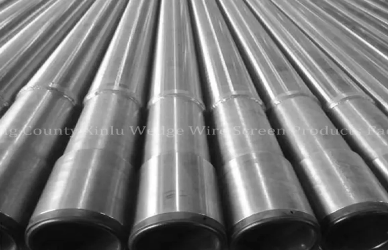
Pipe-based oil well screens are critical components in the oil extraction process, playing a vital role in filtering out debris and preventing sand from entering the well. These screens are specifically designed to improve the efficiency of oil wells, ensure the longevity of the well equipment, and enhance the overall production rates. In this article, we will explore the importance of using pipe-based oil well screens, when they should be used, the types available, and how to choose the right screen for your oil well needs.
1.Understanding the Role and Importance of Pipe-Based Oil Well Screens
What Are Pipe-Based Oil Well Screens?
Pipe-based oil well screens are specialized filtration devices installed in oil wells to filter out sand, silt, and other debris from the oil extraction process. These screens are typically mounted at the bottom of the well, where they serve as a barrier to prevent sand and other particles from entering the wellbore. The screens are designed to allow oil and gas to flow freely while blocking any unwanted solids.
Pipe-based screens can be made from a variety of materials, with stainless steel being the most common due to its resistance to corrosion and high strength. These screens are designed to be durable and can withstand the harsh conditions of oil wells, where high pressures, temperatures, and corrosive fluids are common.
Importance of Screen Selection in Oil Wells
Choosing the right screen is essential for maximizing the efficiency and lifespan of an oil well. If the wrong screen is selected, it can lead to issues such as clogging, decreased production, and increased maintenance costs. Proper screen selection helps maintain a steady flow of oil and gas while minimizing the risk of sand production, which can damage the well equipment.
The material and design of the screen are important considerations in this process. The right screen will provide the necessary filtration while allowing oil and gas to flow freely. It also helps prevent damage to the wellbore and pump systems by preventing sand and debris from entering.
2.How Pipe-Based Oil Well Screens Work
Structure and Design of Pipe-Based Screens
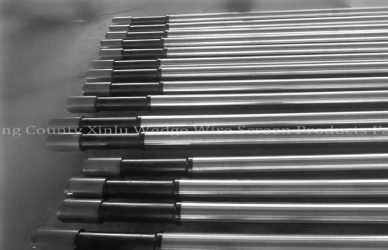
Pipe-based oil well screens are typically constructed from a base pipe and a filtering element, such as a wire-wrapped or slotted design. The filtering element is usually welded or wrapped around the base pipe, creating a series of uniformly spaced openings that allow oil to flow through while preventing sand and debris from entering.
The screen structure is designed to maximize the filtration area while maintaining a high flow rate. This is achieved through a careful balance of slot size, spacing, and the material used to make the screen. For example, wire-wrapped screens are designed to have continuous slots that provide more surface area for filtration, which improves the flow rate and reduces clogging.
How Screens Prevent Sand and Debris from Entering
The primary function of pipe-based oil well screens is to prevent sand and other debris from entering the well. The screen works by creating a barrier that filters out particles based on their size. The design of the screen ensures that only oil and gas are allowed to pass through, while any sand or silt is blocked.
The slot size of the screen is a key factor in its effectiveness. A screen with larger slots may allow more oil and gas to pass through, but it could also let larger particles enter. Conversely, a screen with smaller slots provides better filtration but could reduce the flow rate. The ideal slot size depends on the specific conditions of the oil well, such as the type of sand present, the flow rate required, and the depth of the well.
3.Benefits of Using Pipe-Based Oil Well Screens
Improved Production Rates
One of the primary benefits of using pipe-based oil well screens is the improvement in production rates. By filtering out sand and debris, these screens ensure that the flow of oil and gas is not obstructed. This allows for a more consistent and efficient flow, which can significantly increase the production rates of the well.
In addition, the use of a well-designed screen helps maintain the integrity of the wellbore, preventing sand from entering the well and causing damage to the pump and other equipment. This ensures that the well continues to operate at optimal capacity over time, which improves the overall profitability of the oil well.
Reduced Wear and Tear on Equipment
Another significant advantage of using pipe-based oil well screens is the reduction in wear and tear on the well equipment. Without a screen, sand and other debris can enter the pump system, causing abrasions and damage. This can result in costly repairs and downtime for the well.
By using a pipe-based oil well screen, you prevent debris from entering the system, which reduces the likelihood of equipment failure. This leads to lower maintenance costs and extends the life of the well equipment, ultimately saving money over the long term.
4.When to Use Pipe-Based Oil Well Screens
High-Sand Environments
Pipe-based oil well screens are particularly useful in environments with high levels of sand or other particulate matter. In such environments, sand production can be a significant problem, as it can clog the wellbore and cause damage to the pump system. Pipe-based screens are designed to prevent sand from entering the well, ensuring a steady flow of oil and gas without clogging or damaging the well.
In high-sand environments, the slot size of the screen is particularly important. The screen must be designed to filter out sand while allowing oil and gas to pass through. A screen with the appropriate slot size can help prevent sand production while maintaining high flow rates.
Long-Term Oil Extraction Operations
In long-term oil extraction operations, it is crucial to have a reliable filtration system in place to ensure consistent production over time. Pipe-based oil well screens are ideal for such operations because they provide long-term durability and efficiency. These screens can withstand the harsh conditions of deep wells, high pressures, and corrosive fluids, making them suitable for extended use.
By using pipe-based screens in long-term operations, oil companies can ensure that their wells continue to operate efficiently for years to come. The screens help maintain a steady flow of oil, reduce the risk of clogging, and minimize maintenance requirements.
5.Types of Pipe-Based Oil Well Screens
Wire-Wrapped Screens
Wire-wrapped screens are one of the most commonly used types of pipe-based oil well screens. These screens are made by wrapping a wire around the base pipe to create continuous slots for filtration. The wire-wrapped design allows for a large filtration surface area, which improves the flow rate and reduces the risk of clogging.
Wire-wrapped screens are particularly effective in wells with high sediment levels, as they can filter out fine particles while maintaining a high flow rate. They are also highly durable and resistant to corrosion, making them suitable for use in harsh environments.
Slotted Screens
Slotted screens are another popular option for pipe-based oil well screens. These screens consist of a pipe with evenly spaced slots cut into it. The slots are designed to allow oil and gas to flow through while blocking larger particles such as sand and silt. Slotted screens are simpler and more cost-effective than wire-wrapped screens, but they may not provide the same level of filtration efficiency.
Slotted screens are often used in shallow wells or in areas with lower levels of sediment. They can be customized to meet the specific needs of the well, such as adjusting the slot size to accommodate different types of debris.
6.How to Choose the Right Pipe-Based Screen for Your Oil Well
Factors to Consider (Well Depth, Sand Content)
When choosing a pipe-based oil well screen, several factors need to be considered. The depth of the well and the sand content of the surrounding environment are two of the most important factors. In deeper wells, a more robust screen with a larger filtration area may be necessary to handle the increased pressure and volume of oil.
Additionally, the sand content in the water will determine the slot size needed for the screen. Wells with high levels of sand will require screens with smaller slots to filter out finer particles, while wells with less sediment may be able to use screens with larger slots.
Material Selection for Durability and Resistance
The material of the screen is also a key consideration. Stainless steel is the most common material for oil well screens due to its resistance to corrosion and high strength. However, other materials such as PVC or carbon steel may also be used depending on the specific conditions of the well.
When selecting the material, it is important to consider factors such as the chemical composition of the well fluids, the temperature, and the pressure. The material should be able to withstand these conditions without degrading or causing premature wear.
FAQ
What makes pipe-based oil well screens different from traditional well screens?
Pipe-based oil well screens are specifically designed for oil wells and provide superior filtration, ensuring that sand and debris are prevented from entering the wellbore.
Can pipe-based screens be used in shallow oil wells?
Yes, pipe-based oil well screens are versatile and can be used in both shallow and deep wells, depending on the sediment levels and well conditions.
How do pipe-based oil well screens reduce maintenance costs?
By preventing sand and debris from entering the system, these screens reduce wear and tear on pumps and other equipment, leading to lower maintenance costs and less downtime.
What is the typical lifespan of pipe-based oil well screens?
With proper maintenance, pipe-based oil well screens can last for many years, often outlasting other types of screens due to their durable construction and resistance to corrosion.
Conclusion
Pipe-based oil well screens are crucial for ensuring the efficiency and longevity of oil wells. These screens improve production rates, reduce maintenance costs, and protect well equipment from the damaging effects of sand and debris. By investing in the right screen, oil companies can optimize their operations and minimize downtime. Furthermore, using pipe-based oil well screens is a long-term investment in the well’s success. With proper maintenance and the right screen design, companies can ensure consistent production, reduce the need for costly repairs, and protect the wellbore and equipment, ultimately safeguarding their investment and boosting profitability.


