Contents
Introduction
Understanding Rust in Architectural Metal Mesh Applications
Material Composition and Its Impact on Rust Resistance in Architectural Metal Mesh
Environmental Factors That Accelerate Rust on Industrial Metal Mesh
Protective Treatments and Finishes for Corrosion Resistant Metal Mesh
Comparing Stainless Steel Metal Mesh and Other Alloys for Rust Control
Maintenance Strategies to Extend the Life of High Strength Metal Mesh
Design Considerations to Minimize Rust in Architectural Projects
Conclusion
FAQ
Introduction
Architectural wire mesh plays a critical role in modern construction by balancing aesthetics, structural performance, and environmental adaptability. As demand grows for open façades, sunshades, railings, and interior partitions, Architectural Metal Mesh has become a preferred solution for architects and engineers. However, rust remains one of the most significant challenges affecting durability, appearance, and long-term value. Understanding how rust forms, how material selection influences corrosion resistance, and how proactive design decisions mitigate risk is essential for professionals working with Metal Mesh in architectural environments.
Understanding Rust in Architectural Metal Mesh Applications
Rust is the visible result of electrochemical corrosion, occurring when iron-based metals react with oxygen and moisture. In architectural contexts, Metal Mesh is often exposed to fluctuating humidity, pollutants, and temperature variations, making corrosion a practical concern rather than a theoretical one. Rust not only compromises visual appeal but can also weaken load-bearing capacity in High Strength Metal Mesh installations such as façades, balustrades, and safety screens.
In architectural wire mesh systems, rust typically initiates at weld points, cut edges, or areas where surface coatings are damaged. These micro-failures become entry points for moisture, allowing corrosion to spread beneath the surface. For Professional Metal Mesh applications, this hidden progression is particularly dangerous because structural degradation may occur before visible warning signs appear.
Architects must also consider how rust interacts with surrounding materials. Runoff from corroding Industrial Metal Mesh can stain concrete, stone, and glass, creating secondary maintenance issues. Understanding the root causes of rust ensures better specification, longer service life, and reduced lifecycle costs for architectural projects.
Material Composition and Its Impact on Rust Resistance in Architectural Metal Mesh
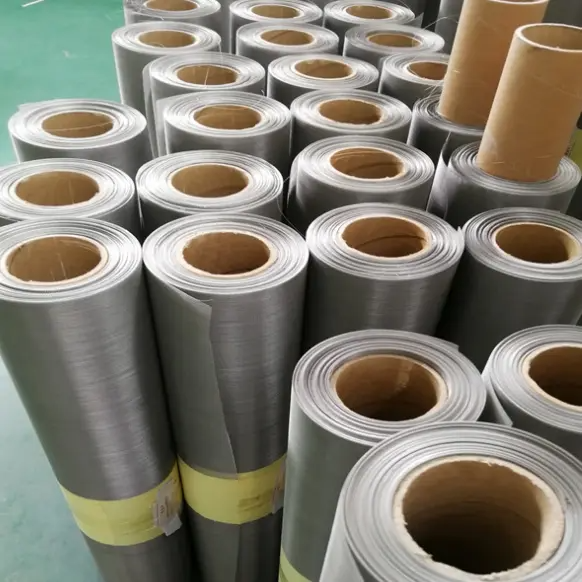
Material selection is the single most influential factor in determining how architectural wire mesh responds to corrosion. Not all Metal Mesh materials perform equally under environmental stress, and choosing the wrong alloy can significantly shorten service life.
Carbon steel mesh, while cost-effective and strong, is inherently vulnerable to rust if left untreated. In contrast, Stainless Steel Metal Mesh contains chromium, which forms a passive oxide layer that dramatically slows corrosion. This makes it a preferred choice for exterior façades, coastal projects, and humid interiors.
The table below compares common architectural mesh materials and their rust-related performance:
| Material Type | Rust Resistance | Typical Architectural Use | Maintenance Level |
| Carbon Steel Metal Mesh | Low without coating | Screens, partitions | High |
| Galvanized Metal Mesh | Moderate | Railings, fencing | Medium |
| Stainless Steel Metal Mesh | High | Façades, interiors | Low |
| Aluminum Mesh | Very High | Decorative panels | Very Low |
For Architectural Metal Mesh, material composition should align with exposure conditions, expected lifespan, and aesthetic requirements. Selecting corrosion-resistant alloys upfront reduces long-term maintenance and ensures consistent performance.
Environmental Factors That Accelerate Rust on Industrial Metal Mesh
Even the most carefully selected Metal Mesh can corrode prematurely if environmental factors are underestimated. Architecture does not exist in controlled laboratory conditions; real-world exposure dramatically influences corrosion rates.
High humidity accelerates oxidation by providing continuous moisture on metal surfaces. Coastal environments introduce salt particles that break down protective oxide layers, making even Corrosion Resistant Metal Mesh vulnerable if improperly specified. Urban pollution, particularly sulfur compounds and industrial emissions, further accelerates chemical reactions on exposed mesh surfaces.
Temperature cycling also plays a role. Repeated expansion and contraction can cause micro-cracks in coatings or finishes, exposing base metal. In Industrial Metal Mesh applications such as parking structures or transit hubs, mechanical wear from vibration and human contact further increases corrosion risk.
Understanding these environmental stressors allows architects to anticipate corrosion challenges and specify Professional Metal Mesh systems engineered for the actual conditions they will face.
Protective Treatments and Finishes for Corrosion Resistant Metal Mesh
Protective treatments significantly enhance the performance of architectural wire mesh by creating barriers between metal and corrosive elements. These treatments are especially critical when using carbon steel or other non-stainless materials.
Galvanization coats Metal Mesh with a layer of zinc, which sacrifices itself to protect the underlying steel. Powder coating adds both color and corrosion resistance, making it suitable for decorative architectural applications. Advanced treatments such as passivation improve the natural oxide layer of Stainless Steel Metal Mesh, enhancing its already strong corrosion resistance.
For exterior Architectural Metal Mesh, combining material selection with surface treatment offers the most reliable protection. A properly treated mesh system can maintain structural integrity and visual consistency for decades, even in aggressive environments.
Comparing Stainless Steel Metal Mesh and Other Alloys for Rust Control
When rust prevention is a top priority, Stainless Steel Metal Mesh consistently outperforms alternative alloys. Its chromium-rich composition creates a self-healing oxide layer that reforms even after surface damage, making it ideal for long-term architectural use.
Aluminum mesh also offers excellent corrosion resistance but lacks the tensile strength required for some High Strength Metal Mesh applications. Galvanized steel sits between these options, providing moderate protection at a lower cost but requiring periodic inspection and maintenance.
For architects balancing cost, performance, and longevity, stainless steel often represents the most reliable solution for Architectural Metal Mesh, particularly in exposed or high-visibility installations.
Maintenance Strategies to Extend the Life of High Strength Metal Mesh
Even corrosion-resistant materials benefit from proper maintenance. Regular inspection allows early detection of coating damage, discoloration, or surface deposits that could trap moisture against Metal Mesh surfaces.
Cleaning schedules should reflect environmental exposure. In coastal or industrial areas, rinsing Architectural Metal Mesh with clean water removes salts and pollutants before they initiate corrosion. Avoid abrasive cleaning methods that may damage protective layers, especially on Stainless Steel Metal Mesh.
Proactive maintenance preserves both the structural performance and visual impact of Professional Metal Mesh, extending its usable life and protecting the architectural investment.
Design Considerations to Minimize Rust in Architectural Projects
Rust prevention begins at the design stage. Proper drainage prevents water from pooling on mesh surfaces, while adequate ventilation allows moisture to evaporate quickly. Avoiding direct contact between dissimilar metals reduces galvanic corrosion, a common issue in complex architectural assemblies.
Edge detailing is particularly important. Cut edges should be sealed or specified with corrosion-resistant materials to prevent localized rust initiation. Thoughtful integration of Architectural Metal Mesh into the overall building envelope ensures durability without compromising design intent.
By aligning design decisions with material behavior, architects can significantly reduce corrosion risk and maximize the benefits of Metal Mesh systems.
Conclusion
Rust is not an inevitable outcome for architectural wire mesh; it is a manageable risk when addressed through informed material selection, environmental awareness, protective treatments, and intelligent design. Architectural Metal Mesh offers unmatched versatility and performance when corrosion considerations are integrated from the outset. By understanding how rust forms and how Corrosion Resistant Metal Mesh solutions perform in real-world conditions, professionals can deliver durable, visually striking, and long-lasting architectural results.
FAQ
Q1: Does all architectural wire mesh eventually rust?
Not all mesh rusts. Stainless Steel Metal Mesh and aluminum options are highly resistant to corrosion when properly specified and maintained.
Q2: Is galvanized Metal Mesh suitable for exterior architecture?
Yes, but its lifespan depends on coating thickness and environmental exposure. Regular inspection is recommended.
Q3: How can rust be prevented at cut edges of mesh panels?
Sealing, passivation, or using corrosion-resistant materials at cut edges significantly reduces rust initiation.
Q4: Is maintenance necessary for corrosion-resistant mesh?
Minimal maintenance is still beneficial. Periodic cleaning helps preserve the performance of Professional Metal Mesh systems.
Q5: What is the best material for coastal architectural projects?
Stainless Steel Metal Mesh is generally the most reliable choice due to its superior resistance to salt-induced corrosion.


