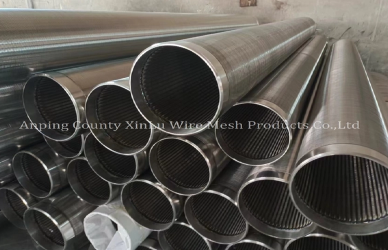
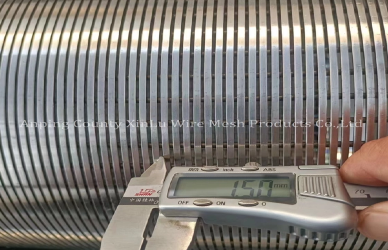
Slot size refers to the width of the openings in a water well screen, which allow water to pass through while blocking larger particles like sand and debris. It plays a crucial role in ensuring the screen performs its function effectively. The size of these slots determines how well the screen filters water and prevents unwanted solids from entering the wellbore. If the slots are too large, sand and silt may pass through, reducing the quality of the water and potentially damaging well equipment. On the other hand, if the slots are too small, the screen may clog quickly, restricting water flow. Therefore, choosing the right slot size is essential to strike the right balance between optimal filtration and maintaining an adequate flow rate. The right slot size helps maintain clean water flow and prevents clogging or damage, ensuring the well operates efficiently over time.
1.How Slot Size Affects Well Performance
Impact on Water Flow Rate
The slot size in a water well screen has a direct impact on the water flow rate. Smaller slots allow for better filtration by trapping smaller particles like silt and fine sand. However, as the slots become smaller, they restrict the volume of water that can pass through, reducing the overall flow rate. This can lead to slower water extraction and, in extreme cases, could result in well clogging if the flow is significantly restricted. Conversely, larger slot sizes allow more water to pass through, but they risk allowing larger particles, such as sand, to infiltrate the well, compromising water quality and potentially damaging the pump. Striking a balance between filtration efficiency and water flow is essential for maintaining optimal well performance.
Preventing Sand and Debris Infiltration
One of the main roles of water well screens is to prevent sand and other debris from entering the wellbore and disrupting the water extraction process. The slot size directly influences the ability of the screen to filter out these unwanted particles. Smaller slots are better at preventing sand infiltration, as they can trap fine particles that larger slots might miss. However, if the slot size is too small, there is an increased risk of clogging, which can restrict water flow and lead to higher maintenance costs. Properly chosen slot sizes ensure that the screen effectively prevents sand and debris from entering the well while still allowing enough water to flow freely, protecting both water quality and the integrity of the well’s equipment.
2.Factors to Consider When Choosing Slot Size
Well Depth and Water Quality
The depth of the well plays a crucial role in determining the appropriate slot size for a well screen. Deeper wells typically require a larger slot size to accommodate higher flow rates and ensure that the water pressure does not restrict the flow of water. At greater depths, water can be under more pressure, and selecting an adequate slot size allows for efficient water extraction while preventing clogging. Additionally, the quality of the water in the well must be considered. If the water contains high levels of fine particulates or is from a source prone to contamination, smaller slots may be necessary to filter out these contaminants. On the other hand, wells with relatively clean water can benefit from larger slots, which allow for higher water flow without compromising filtration efficiency.
Sand and Sediment Concentration
The concentration of sand and sediment in the water is another critical factor when choosing the right slot size for a well screen. In wells with high concentrations of sand or silt, smaller slots are needed to effectively filter out these particles and prevent them from entering the wellbore. Smaller slots capture finer particles, helping maintain clean water flow and preventing well damage. However, if the sediment levels are low or the water is relatively clear, larger slots may be more suitable, as they allow for better water flow while still preventing larger debris from entering. Selecting the right slot size based on the sediment concentration ensures that the well screen efficiently balances filtration and water flow.
 3.Types of Slot Sizes for Different Wells
Small Slots for Fine Filtration
Small slots are ideal for water wells where fine filtration is essential to prevent small particles like silt, clay, and fine sand from entering the wellbore. These types of screens are typically used in wells where the water source contains a high concentration of fine sediment. Small slot sizes can effectively trap these particles, ensuring that only clean water flows into the well system. While smaller slots improve filtration, they also reduce the flow rate, making it crucial to balance the slot size with the well's water requirements. In wells with delicate filtration needs, such as those used for drinking water or sensitive industrial applications, small slots are preferred to maintain high-quality water.
Larger Slots for Coarser Water Conditions
Larger slot sizes are commonly used in wells where the water contains larger particles or where a higher flow rate is necessary. These screens allow for a greater volume of water to flow through while still preventing larger debris, such as rocks and coarse sand, from entering the wellbore. Larger slots are particularly suitable for wells with low sediment concentrations or for applications where maximizing water flow is more important than filtering out fine particles. In coarser water conditions, using larger slots ensures that the well operates efficiently without clogging. However, it's important to note that larger slots may allow some fine particles to pass through, so they are best suited for wells where sediment control is less critical.
4.The Relationship Between Slot Size and Screen Material
Material Durability and Slot Compatibility
The durability of the screen material plays a crucial role in determining how well it performs with different slot sizes. For example, stainless steel, a commonly used material for water well screens, offers excellent strength and resistance to corrosion, making it a preferred choice for harsher well conditions. Stainless steel screens can withstand the pressure and wear associated with smaller slot sizes without compromising their structural integrity. However, materials like PVC or carbon steel may not offer the same level of durability, particularly in high-pressure or high-salinity environments.
When choosing the right screen material, it's important to ensure that the material can handle the mechanical stress imposed by the slot size. For instance, a very fine mesh with small slots may increase the likelihood of clogging, placing additional strain on the material, whereas a coarser mesh with larger slots may be more forgiving. Proper compatibility between the material and slot size is essential for maximizing the lifespan of the screen and preventing premature failure.
Choosing the Right Material for Your Slot Size
The material selected for your water well screen should complement the chosen slot size to ensure the screen operates effectively and lasts for an extended period. For smaller slot sizes, particularly those designed for fine filtration, materials that can endure the stress of trapping small particles and resisting clogging are ideal. Stainless steel is often the best option due to its strength, flexibility, and ability to resist corrosion over time.
For larger slot sizes that allow for greater water flow, materials such as PVC or composite screens may be more suitable, especially if cost-efficiency and ease of installation are primary considerations. These materials are less expensive than stainless steel, but may not offer the same longevity in challenging environments.
Choosing the right combination of material and slot size is a delicate balance, and factors like water chemistry, well depth, and environmental conditions must be considered to ensure optimal performance.
5.Common Mistakes When Choosing Slot Size
Selecting Slot Size Based on Water Flow Alone
A common mistake is focusing only on water flow when choosing slot size. Larger slots may increase flow, but they can also allow sand and debris to enter, potentially damaging the wellbore and pump system. It's important to balance water flow with effective filtration to avoid clogging and ensure long-term well performance.
Ignoring Well Depth and Local Conditions
Another mistake is ignoring the well's depth and local conditions. Shallow wells might not need as fine a screen, while deeper wells require smaller slots to handle higher pressures and prevent sediment infiltration. Local factors like sediment concentration and water chemistry should also influence slot size selection for optimal filtration and flow.
FAQ:
How does the slot size affect the life of a well screen?
A properly selected slot size helps maintain consistent water flow and reduces wear on the screen, extending its lifespan.
Can I adjust the slot size after installation?
Once the screen is installed, the slot size cannot be changed. Choosing the right slot size at the outset is essential.
Is there a universal slot size for all water wells?
No, the ideal slot size varies depending on the specific conditions of your well, such as sediment type and flow rate.
How do I know if the slot size is too small or too large for my well?
A screen with too small a slot may clog quickly, while one with too large a slot might let sand pass through. Regular inspection helps identify the ideal size.
Conclusion
Choosing the right slot size for water well screen is essential to ensure both efficient filtration and adequate water flow. Striking the right balance between filtration efficiency and water flow helps prevent clogging while maintaining a steady supply of clean water. Selecting a slot size that is too small can restrict water flow, while one that is too large can allow sand and debris to enter the well, leading to potential damage. Therefore, it is important to carefully consider factors like well depth, local conditions, and sediment concentration when determining the appropriate slot size.
Seeking professional guidance during the selection process is also crucial. Experts can help assess your well's specific needs and recommend the most suitable slot size and screen design based on the well’s unique conditions. With the right guidance, you can ensure that your well operates efficiently, reduces maintenance costs, and extends the lifespan of the equipment.


