Specifying the wrong material for industrial filtration leads to premature blinding, structural failure, or excessive downtime. Plant engineers face high stakes during system design. Selecting an inadequate alloy can halt an entire production line. Frame the carbon versus stainless debate not as a simple question of good versus bad. Instead, view it as a calculation of your specific operating environment. Making decisions based solely on initial cost creates hidden maintenance burdens.
This guide provides a realistic, evidence-based framework for evaluating both materials. You will learn how to balance abrasion resistance against chemical compatibility. We will explore metallurgical impacts, failure modes, and fluid dynamics. We will also cover essential sourcing strategies to ensure successful procurement. By applying these principles, you can optimize your filtration systems for peak operational performance.
Key Takeaways
Carbon steel offers superior hardness and abrasion resistance at a lower initial cost, making it viable for heavy-wear, low-corrosion environments like mining or aggregate sorting.
Stainless steel provides essential corrosion resistance and hygiene compliance, justifying its premium in water treatment, chemical processing, and food-grade applications.
The true cost of a wedge wire screen includes maintenance, replacement frequency, and production downtime—not just the initial purchase order.
Partnering with a vetted wedge wire screen manufacturer ensures precise slot tolerances and verified metallurgical properties, mitigating early failure risks regardless of the material chosen.
The Role of Metallurgy in Wedge Wire Screen Performance
The Structural Reality
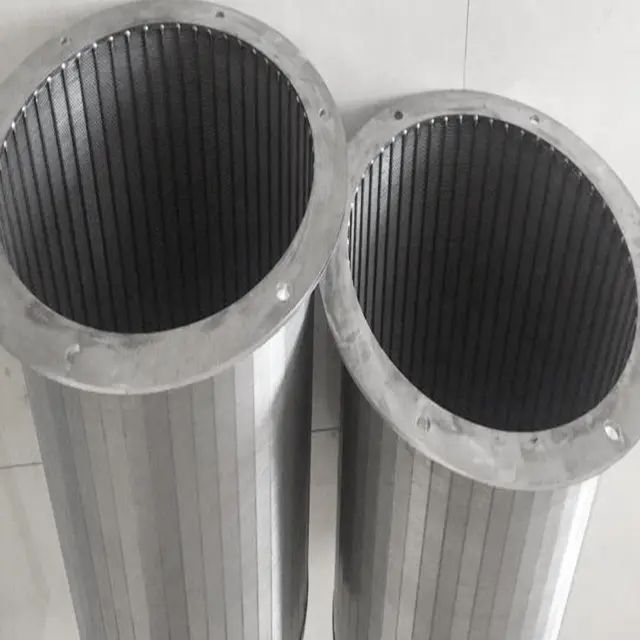
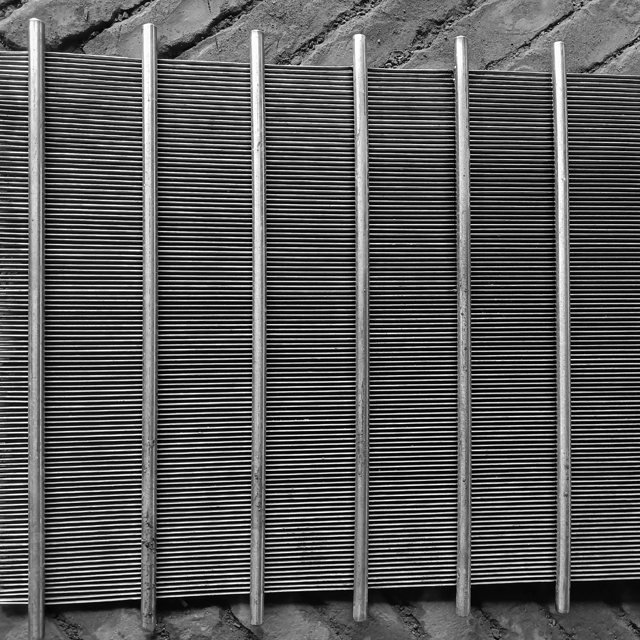
Profile wires and support rods rely entirely on weld integrity. Material choice dictates both weld strength and flexibility under dynamic loads. When you push heavy slurries through a Wedge Wire Screen, the joints experience massive shear forces. Proper metallurgy ensures these intersections do not fracture. The alloy must fuse cleanly during resistance welding. A weak weld quickly becomes a broken screen. We must evaluate tensile strength alongside ductility. If the material is too brittle, the welds snap under pressure. If it is too soft, the profile wires bend out of shape.
Failure Modes
Operators typically encounter two primary failure paths. Corrosion destroys structural integrity through chemical attack. It manifests as deep pitting or widespread rusting across the panel. Abrasion destroys slot accuracy through physical wear. High-velocity particles grind down the profile wire over time. As the wire wears, the gap widens. This ruins your filtration precision. Identifying your dominant failure mode is critical. You cannot fight both enemies effectively using a single base material.
Mid-Stage Degradation: Rust begins forming, or significant metal loss occurs. Filtration efficiency drops.
Critical Failure: Welds snap. Profile wires break entirely. The system experiences catastrophic blinding.
The Success Criteria
The optimal material balances fluid dynamics against structural load capacity. You must also factor in chemical compatibility. Assess the media passing through your equipment. Is it highly acidic? Does it contain sharp quartz particles? A successful installation resists these specific environmental stressors. It maintains exact slot tolerances over thousands of operating hours. We define success as achieving maximum uptime between scheduled maintenance intervals. Engineers achieve this by matching the alloy strictly to the operational environment.
Carbon Steel: High-Abrasion Utility and Limitations
Core Advantages
Carbon steel boasts a significantly higher carbon content. This translates directly into superior surface hardness. It offers incredible impact resistance compared to standard austenitic alloys. When heavy rocks hit the screen deck, carbon steel absorbs the blow. It resists gouging and deep scratches effortlessly. You get robust defense against intense physical wear. Plant managers favor it when impact forces dominate the process. The rigid molecular structure refuses to deform under heavy mechanical loads.
Cost Implications
The lower initial capital expenditure often appeals to procurement teams. Carbon steel requires a much smaller upfront investment. However, you must weigh this against future maintenance demands. Screens in harsh conditions need regular inspection. They might require frequent replacement cycles. Calculate the labor hours associated with swapping out worn panels. Cheap initial prices do not always guarantee long-term savings. You must budget for the continuous labor needed to keep these systems functional.
Optimal Use Cases
Specify carbon steel for heavy industrial applications. It dominates environments where physical abrasion outpaces chemical corrosion. Coal preparation plants rely heavily on these rugged screens. Quarrying and aggregate sorting facilities use them daily. Asphalt processing also benefits heavily from this tough material. These dry or abrasive sectors maximize carbon steel's natural hardness. Mining operations pump massive volumes of sharp rocks over these panels. The high-carbon composition handles this punishment beautifully.
Implementation Risks
Oxidation remains the biggest threat to these installations. Bare steel rusts rapidly in damp environments. You can apply protective coatings or galvanization to mitigate this risk. Unfortunately, these surface treatments have strict limitations. High-friction environments strip away coatings within weeks. Once the bare metal becomes exposed, corrosion spreads fast. You must monitor wear patterns carefully. Rust expands the metal, which clogs the precise slot openings quickly.
Stainless Steel: Corrosion Resistance and Lifecycle Value
Core Advantages
Stainless alloys rely on a vital chromium oxide layer. This microscopic shield prevents rust from forming. It repairs itself if scratched in oxygen-rich environments. Grade 304 serves as the standard workhorse for general applications. Grade 316 contains added molybdenum for enhanced protection. You need 316 for marine settings or high-chloride environments. These alloys maintain pristine surfaces even under constant moisture exposure. They naturally repel biological buildup and chemical degradation.
ROI and Lifecycle
Higher upfront costs often deter initial buyers. However, this premium translates into massive lifecycle value. You gain reduced maintenance requirements across the board. Facilities enjoy much longer intervals between screen replacements. The risk of sudden structural failure drops dramatically. This reliability keeps your production line running without interruption. The money saved on labor and downtime usually covers the higher purchase price. You buy peace of mind alongside superior metal.
Optimal Use Cases
Certain industries treat stainless alloys as strictly non-negotiable. Water well systems demand hygienic, rust-free components. Petrochemical processing requires intense chemical resistance against volatile fluids. Food and beverage facilities must meet strict sanitary codes. Architectural grilles need enduring aesthetic appeal. These sectors cannot compromise on material stability. Pharmaceutical plants also mandate these high-grade alloys. They ensure zero contamination enters the final product stream.
Implementation Risks
Even premium alloys face specific vulnerabilities. Chloride stress corrosion cracking can destroy mismatched grades. If you specify 304 for a high-saline application, it will fail rapidly. Furthermore, stainless steel has lower impact resistance than high-carbon alternatives. Dropping heavy boulders onto these panels will cause denting. You must align the grade exactly to the operating environment. Careful engineering prevents these costly misapplications.
The Evaluation Matrix: How to Choose the Right Material
Environmental Assessment (pH and Temperature)
Begin by evaluating the chemical composition of your fluid. Map out the pH levels accurately. Measure the operating temperatures during peak load periods. High heat accelerates chemical reactions and corrosion rates. You need a clear profile of what passes through the system. Acidic environments eat through standard steel rapidly. Alkaline environments require distinct metallurgical properties. Documenting these parameters forms the foundation of proper material selection.
Abrasion vs. Corrosion Index
Use a practical guideline for weighing physical wear against chemical degradation. We can visualize this using a simple comparison matrix. This chart helps engineers align environmental threats with the correct alloy.
Environmental Threat
Primary Stressor
Recommended Material
High Abrasion, Low Moisture
Sharp aggregates, high impact
Carbon Steel
High Moisture, Low Abrasion
Treated water, light fluids
304 Stainless Steel
High Chloride, Corrosives
Saltwater, industrial acids
316 Stainless Steel
Extreme Mixed Conditions
Abrasive slurries, low pH
Specialty Duplex Alloys
Lifecycle Maintenance and Operational Impact
Compare the capital expenses of your material choices objectively. Then, factor in ongoing operational maintenance. Count the frequency of required screen replacements. Calculate the hourly labor rate for installation crews. Add the severe cost of unplanned production downtime. A cheap screen becomes a massive liability if it breaks monthly. Smart procurement focuses on maximizing the hours of flawless operation. Consider these essential operational factors:
Labor hours required for frequent change-outs.
Loss of revenue during scheduled system halts.
Disposal costs for heavily worn industrial panels.
Energy losses caused by blinded or clogged screens.
Regulatory and Compliance Lenses
Industry-specific standards often dictate your material choices entirely. The FDA regulates equipment used in food processing. NSF standards govern municipal water treatment components. These regulatory bodies usually mandate austenitic stainless steel by default. Always check local compliance codes before finalizing your procurement list. Failing an inspection due to improper metallurgy carries heavy fines. You might also face forced shutdowns until you replace the non-compliant parts.
Sourcing Strategy and Manufacturer Vetting
Precision and Tolerance
Material grade becomes irrelevant if slot sizes lack consistency. You need perfectly uniform openings to achieve accurate filtration. Advanced welding technology ensures the profile wires remain strictly parallel. Uneven slots lead to rapid blinding and uneven wear. Emphasize manufacturing precision over raw material claims alone. Look for robotic welding processes that eliminate human error. Precision engineering guarantees the screen performs exactly as modeled.
Material Verification
Always advise buyers to request Mill Test Reports (MTRs). These documents verify the exact chemical composition of the metal. They prevent vendors from substituting inferior, cheaper alloys. You must know exactly what arrives on your loading dock. Traceability guarantees performance under pressure. An authentic report lists the exact chromium, nickel, and carbon percentages. Never accept deliveries missing this critical documentation.
Scaling Procurement
Evaluate the logistics of buying wholesale Wedge Wire Screen panels or cylinders. Discuss lead times for bulk orders early in the process. Check the vendor's custom fabrication capabilities. Review their internal quality assurance protocols closely. Scaling up requires a partner who maintains tight tolerances across massive production runs. If their quality drops during large orders, your entire project suffers. Request trial batches before committing to factory-scale volumes.
Red Flags
Watch out for poorly prepared vendors. Reject suppliers who cannot provide clear load-bearing calculations. A reliable wedge wire screen manufacturer will offer specific industry case studies. They should understand fluid dynamics deeply. If they dodge technical questions, take your business elsewhere. Beware of prices sitting drastically below market averages. Cheap manufacturing usually means weak welds and inaccurate slot sizing.
Conclusion
Choose carbon steel for impact and abrasion in dry or non-corrosive environments. Select stainless steel for longevity, hygiene, and wet or chemical applications. Matching the alloy to your specific failure modes prevents catastrophic downtime. Always recommend a final engineering review of your exact operating conditions. Have an expert verify the structural design before issuing a purchase order. We strongly encourage you to consult with a technical sales engineer. Reach out to a reputable manufacturer to request a material compatibility assessment and quote.
FAQ
Q: Can carbon steel wedge wire screens be coated to prevent rust?
A: Yes, they can be galvanized or coated. However, coatings wear off quickly under highly abrasive conditions. Once sharp particles scratch the protective layer, the bare metal becomes exposed. Rust will then form rapidly, compromising the screen's integrity in wet environments.
Q: Is 316 stainless steel always better than 304?
A: Not necessarily. Grade 316 contains molybdenum, making it essential for high-chloride or saline environments. However, 304 provides excellent corrosion resistance for standard water applications. Grade 304 is usually sufficient and far more cost-effective if extreme chemical exposure is absent.
Q: How do I verify the material quality from a wholesale supplier?
A: You should demand comprehensive Mill Test Reports (MTRs) before purchasing. Verify their ISO certifications for manufacturing quality control. Additionally, consider requesting material samples for third-party metallurgical testing. This ensures you receive the exact alloy specified in your purchase order.
Q: Does the material choice affect the available slot sizes?
A: Both materials can be drawn into very fine profile wires. However, stainless steel typically holds finer tolerances over time in corrosive environments. Because standard steel rusts or degrades faster in moisture, the precise slot gaps can widen, altering your filtration accuracy.
We are a factory specializing in the production of high-quality wedge wire screens. We are capable of fulfilling orders of various sizes for wedge screens.